
When your dryer starts acting up, most people in Las Vegas do one of two things, ignore it until it completely dies, or immediately assume they need a brand-new machine. A seasoned technician who has spent decades doing dryer repair Las Vegas homeowners rely on will tell you neither reaction is usually the right one. The truth is somewhere in the middle, and knowing which way to lean can save you hundreds of dollars and a whole lot of frustration.
The Signs Your Dryer Is Crying for Help (That You’re Probably Dismissing)
A dryer doesn’t usually fail overnight. It sends signals well before the day it refuses to spin. The problem is most of us are too busy to notice them, or we chalk them up to “just how it is now.”
Here are the warning signs that experienced technicians see homeowners ignore constantly:
- Clothes taking two cycles to dry. This is the big one. If you’re running a second cycle just to finish the job, something is wrong, usually a clogged vent, a failing heating element, or a worn-out thermostat.
- A burning smell during operation. This is never normal. Lint buildup near the heating element is a fire hazard, full stop.
- Excessive heat on the outside of the machine. The drum should get warm. The exterior of the unit shouldn’t feel like a stovetop.
- Loud thumping, squealing, or grinding. These sounds usually point to worn drum bearings, a damaged belt, or a failing motor, all fixable, but only if you act before they get worse.
- The dryer runs but produces no heat at all. In electric models, this is often a blown thermal fuse. In gas dryers, it could be the igniter or gas valve coils.
If you’re seeing any of these, it’s worth reading up on how to spot appliance repair needs before they escalatecatching problems early almost always means a cheaper fix.
Why Las Vegas Is Harder on Dryers Than Most Cities
Here’s something that doesn’t get talked about enough: the desert environment genuinely accelerates wear on home appliances. The extreme heat, low humidity, and dust that define the Las Vegas climate create conditions that most appliance manufacturers didn’t design for.
Lint and fine desert dust accumulate in vents faster here than in more temperate climates. That buildup restricts airflow, forces the machine to work harder, and drives up your energy bill while shortening the appliance’s lifespan. Technicians who work in this city regularly see vent systems that are dangerously clogged, not because homeowners are careless, but because the environment simply demands more frequent maintenance than the national average.
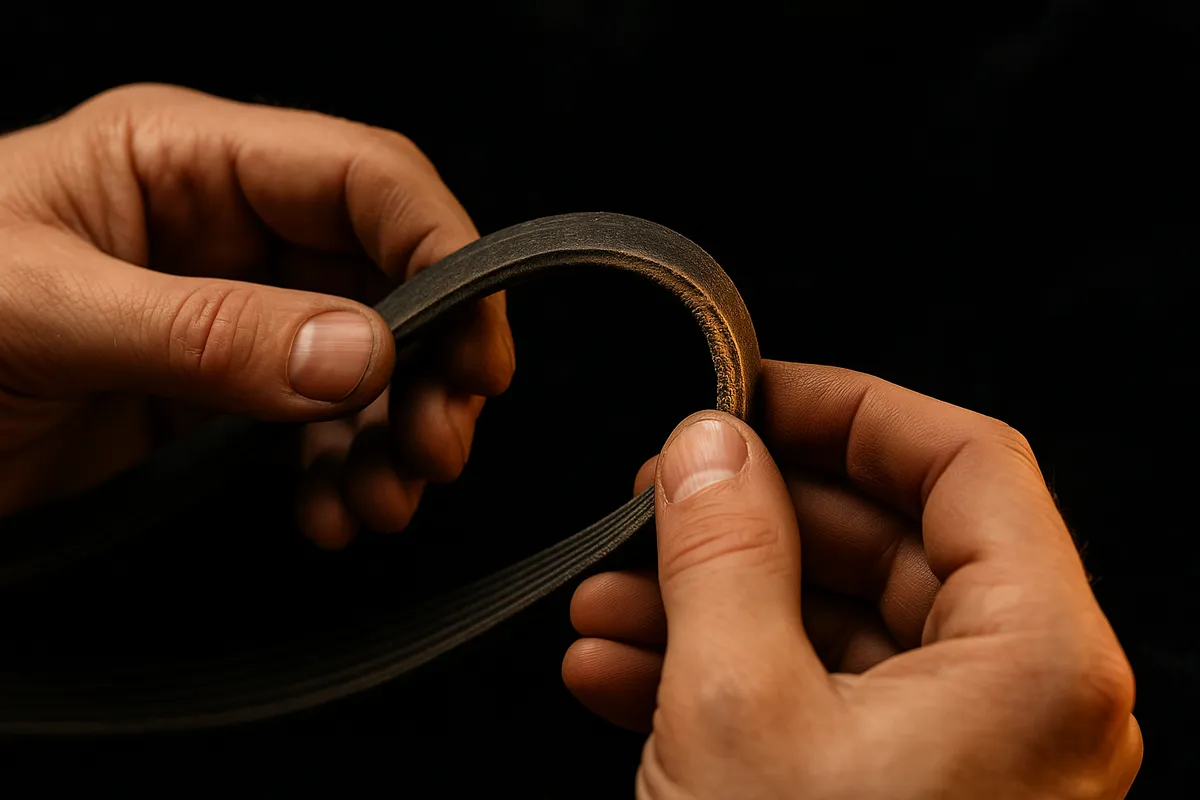
The heat also affects rubber components like door seals and drum belts. Prolonged exposure to high ambient temperatures causes these parts to crack and deteriorate faster. A belt that might last eight years in a cooler climate could need replacing in five here.
The takeaway? If you moved to Las Vegas from another state and your dryer is behaving differently than you expected, the climate is likely a factor, not just the machine’s age.

Repair vs. Replace: How to Actually Make the Call
This is the question every homeowner eventually faces, and the answer isn’t always obvious. A good rule of thumb used by experienced repair professionals is the 50% rule: if the repair cost exceeds 50% of what a comparable new machine would cost, replacement starts making more financial sense.
But there’s more nuance to it than that. A five-year-old dryer with a blown thermal fuse is almost always worth fixing, that repair typically runs well under $200, and the machine likely has years of life left. A twelve-year-old dryer with a failing motor and a cracked drum is a different story.
Brand also matters. Some manufacturers build machines that are genuinely serviceable for 15+ years with proper care. Others use parts that become difficult or expensive to source after seven or eight years. A technician who has worked on dozens of brands across hundreds of homes will know which machines are worth investing in and which ones have a reputation for cascading failures.
If cost is a concern, it’s worth exploring affordable appliance repair solutions before assuming a replacement is your only option. More often than not, a targeted repair is the smarter financial move.
What Good Service Actually Looks Like, and How to Find It
Not all repair services are created equal. Customers who’ve worked with the team at Appliances Repair LV consistently mention the same things: transparent pricing before any work begins, technicians who explain what’s wrong in plain language, and repairs that actually hold up over time. That kind of experience doesn’t happen by accident, it comes from years of working in this city and genuinely caring about the outcome.
When you’re vetting a repair service, ask a few direct questions. Do they charge a flat diagnostic fee, or does that fee get applied toward the repair cost? Do they carry common parts on their trucks, or will you be waiting a week for a part to be ordered? Are they familiar with your specific brand and model?
A technician who hesitates on any of those questions is worth being cautious about. One who answers confidently and clearly is usually the real deal.
It’s also smart to think about the broader picture. If your dryer is struggling, your washing machine is working alongside it every single day, and often under similar strain. Getting both evaluated at the same time can save you a second service call down the road.
The bottom line is this: a dryer that’s acting up isn’t automatically a lost cause. With the right diagnosis and a technician who knows what they’re looking at, most problems are fixable, often faster and cheaper than you’d expect.
Frequently Asked Questions
How often should I be cleaning my dryer vent if I live in Las Vegas?
More often than the national average, the combination of desert dust and lint clogs vents faster here than in cooler, less dusty climates, and technicians in this city regularly find vent systems that are dangerously blocked. A good starting point is to have it inspected at least once a year, and more frequently if you’re running the machine heavily. If your clothes are taking two cycles to dry, a clogged vent is one of the first things worth checking.
My dryer is about five years old and the thermal fuse blew, is it worth fixing or should I just replace it?
A blown thermal fuse on a five-year-old machine is almost always worth fixing, since that repair typically runs well under $200 and the machine likely has several years of useful life left. The 50% rule is a practical guide here: if the repair cost would exceed half the price of a comparable new machine, replacement starts making more financial sense. A single fuse replacement on a relatively young machine doesn’t come close to that threshold.
Why does the outside of my dryer feel really hot to the touch, is that a Las Vegas heat thing?
The exterior of the unit getting hot is not normal, and it’s not just the desert climate, it points to something wrong with the machine itself, like restricted airflow or a component that’s overworking to compensate. The drum should get warm, but the outside of the unit shouldn’t feel like a stovetop, as the article puts it. Ignoring it isn’t a safe option, since lint buildup near the heating element is a genuine fire hazard.
Does the Las Vegas heat actually shorten how long rubber parts like belts and door seals last?
Yes, and it’s a real factor that doesn’t get talked about enough, prolonged exposure to high ambient temperatures causes rubber components to crack and deteriorate faster than they would in a cooler climate. A belt that might last eight years somewhere else could need replacing in five years here. If you moved to Las Vegas from another state and your machine is wearing out faster than you expected, the environment is likely part of the explanation.
What should I actually ask a repair company before I let them start work?
Three things worth asking directly: whether they charge a flat diagnostic fee or apply it toward the repair cost, whether they carry common parts on their trucks or will need to order them, and whether they’re familiar with your specific brand and model. A technician who answers those questions confidently and clearly is usually worth trusting; one who hedges is worth being cautious about. It’s also smart to have your washing machine looked at during the same visit, since both machines work together daily and often wear at similar rates.