
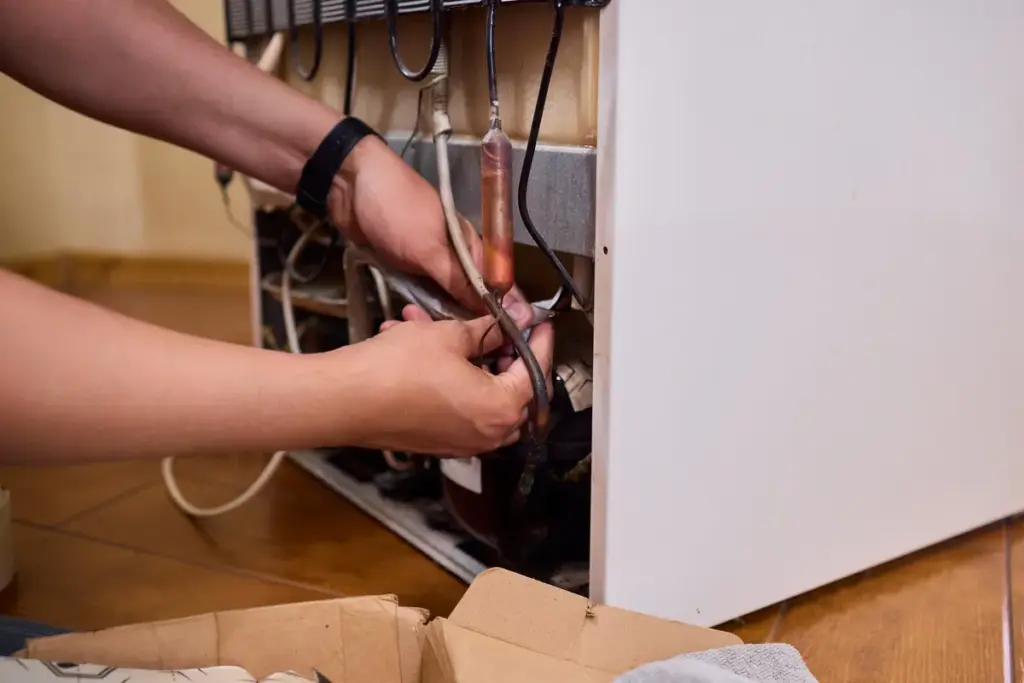
There’s a pattern that plays out in households across the valley constantly, a strange noise here, a slightly warm fridge there, and then one morning everything stops working at once. Getting ahead of appliance repair in Las Vegas means paying attention to the small signals your machines send long before they give up entirely. The good news? Most major breakdowns don’t happen without warning. The bad news? Most people ignore the warnings until it’s too late.
Your Appliances Are Talking, Are You Listening?
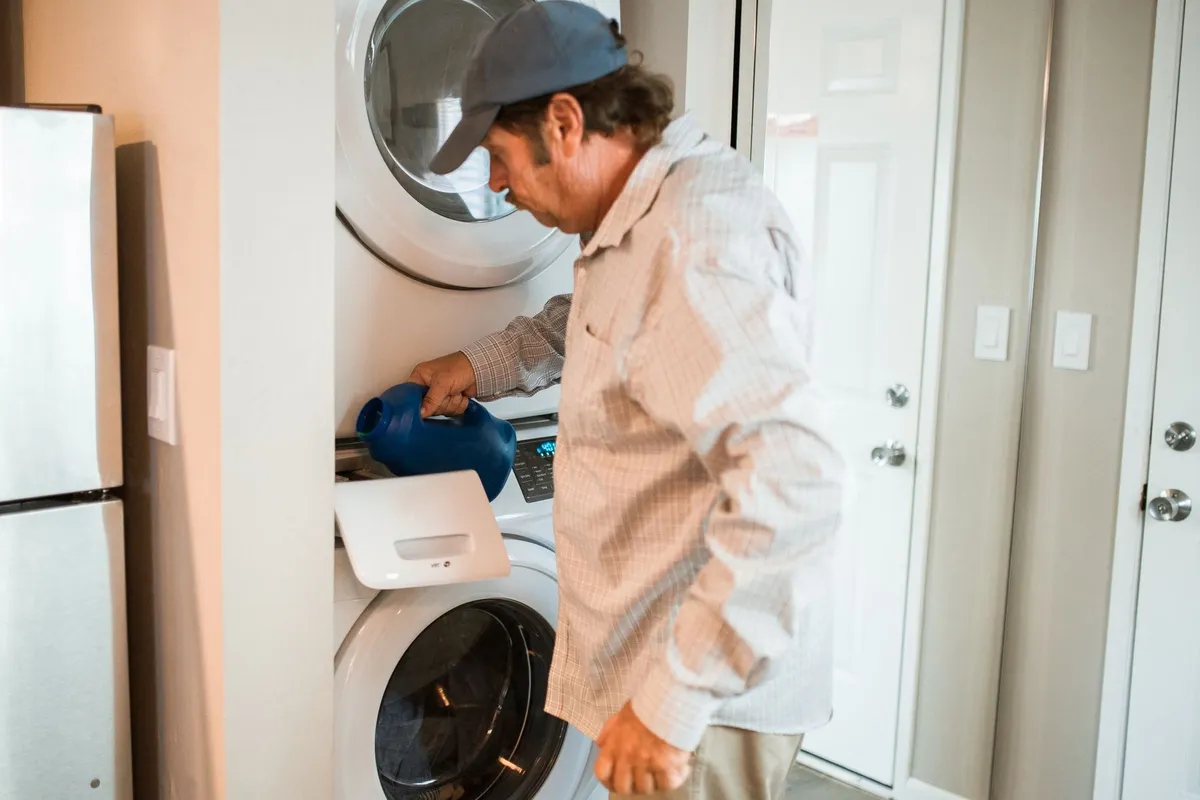
Every appliance communicates through sound, performance, and behavior. A washing machine that suddenly vibrates like it’s trying to escape the laundry room isn’t just being dramatic, it’s telling you something is off with the drum bearings or the load balance mechanism. A refrigerator that hums louder than usual at night could be working overtime because the condenser coils are clogged with dust. These aren’t random quirks. They’re patterns.
The sounds to take seriously include grinding, clicking that doesn’t stop, buzzing from electrical components, and any high-pitched squealing from motors. If your dryer is making a rhythmic thumping sound, that’s almost always a worn drum support roller, a cheap fix when caught early, a motor replacement if ignored for months.
Performance changes matter just as much as sounds. A dishwasher that used to clean everything in one cycle but now leaves residue on glasses is losing pressure or has a failing spray arm. An oven that takes twice as long to preheat has a heating element on its way out. Don’t normalize declining performance. That’s your machine asking for help.
The Las Vegas Factor: Why Heat Makes Everything Worse
Living in the desert adds a layer of complexity that homeowners in milder climates simply don’t deal with. Extreme heat accelerates wear on rubber seals, gaskets, and plastic components inside appliances. Refrigerators and freezers work significantly harder here, running longer cycles to maintain temperature when ambient temps are pushing 110 degrees outside and your kitchen isn’t much cooler.
That extra strain shows up as higher energy bills before it shows up as a breakdown. If your electricity costs have crept up without an obvious explanation, your refrigerator or freezer may be the culprit, running inefficiently because a seal is failing or the coolant level has dropped. Catching this early can save you hundreds on both your utility bill and the eventual repair cost.
Hard water is another local reality. Las Vegas tap water is notoriously mineral-heavy, and those minerals build up inside washing machines, dishwashers, and ice makers over time. Scale accumulation restricts water flow, strains pumps, and shortens the life of heating elements dramatically. If you haven’t had your ice maker or dishwasher serviced in a couple of years, there’s a reasonable chance mineral buildup is quietly doing damage right now.
The Repair-or-Replace Question, and When It Actually Matters
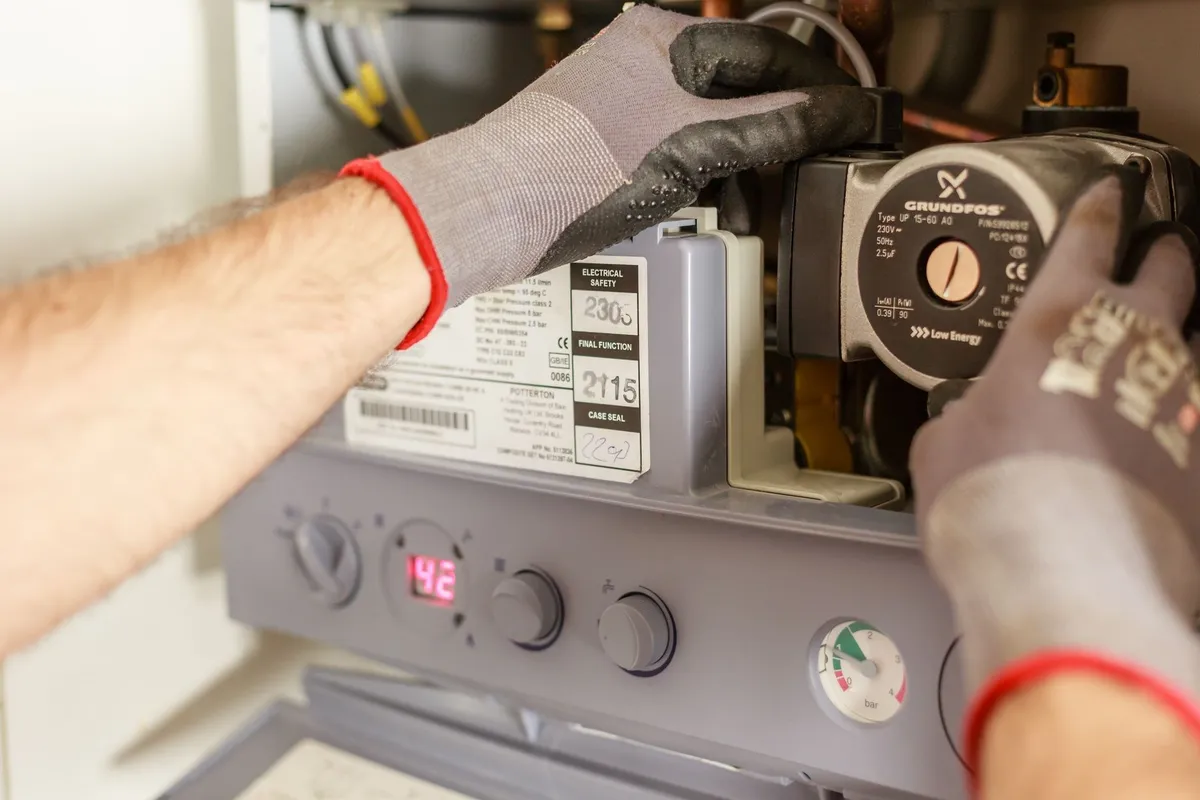
One of the most common conversations technicians have with homeowners is about whether to fix something or buy new. The honest answer depends on the age of the appliance and the nature of the problem. A five-year-old refrigerator with a failing thermostat is almost always worth repairing. A fifteen-year-old washing machine with a cracked drum is probably not.
A useful rule of thumb: if the repair cost is less than half the price of a comparable new appliance, and the machine is under ten years old, fix it. Replacement appliances come with their own break-in period, installation headaches, and the environmental cost of disposal. Repair is often the smarter, more cost-effective path, and many customers who’ve worked with experienced local technicians are surprised by how much life a good repair can add to an appliance they were ready to throw out.
For a clearer picture of what different repairs typically cost and what’s worth your money, this breakdown of affordable repair solutions is worth a read before you make any decisions.
Don’t Wait for a Full Stop, Know When to Call
There’s a difference between an appliance that’s struggling and one that’s about to fail completely. Struggling appliances give you time to schedule a repair at your convenience. Failed appliances turn into emergency calls, spoiled food, and wet laundry sitting in a drum for three days while you wait for a part.
The warning signs that mean call now, not next week, include water pooling under or around any appliance, burning smells from any motor or electrical component, a refrigerator that can’t hold temperature below 40 degrees, or a stove that won’t ignite consistently. These aren’t wait-and-see situations. If you’re unsure how urgent your specific issue is, this guide on repair timelines can help you gauge when to pick up the phone.
The team at Appliances Repair LV has been working with Las Vegas homeowners long enough to know that the calls they enjoy least are the ones that start with “I noticed this a few months ago.” Catching a problem early almost always means a simpler diagnosis, a faster fix, and a significantly lower bill. Your appliances are built to last, but only if you give them the attention they’re asking for before things go sideways.
Frequently Asked Questions
How do I know if my refrigerator is struggling because of the Las Vegas heat or because something is actually broken?
If your fridge is running longer cycles and your electricity bill has gone up without an obvious reason, the heat is likely making an existing problem worse, not causing one on its own. Check the door seals first by closing the door on a piece of paper; if it slides out easily, the seal is failing and the fridge is working overtime to compensate. A fridge that still can’t hold temperature below 40 degrees after you’ve checked the seals needs a technician, not more time.
What’s the rule for deciding whether to fix an appliance or just replace it?
The article’s guideline is straightforward: if the repair costs less than half the price of a comparable new machine and the appliance is under ten years old, fix it. A five-year-old refrigerator with a bad thermostat is almost always worth repairing, while a fifteen-year-old washing machine with a cracked drum probably isn’t. New appliances also come with installation headaches and a break-in period, so replacement isn’t always the clean solution people expect it to be.
My dryer is making a thumping sound, is that something I can put off for a while?
A rhythmic thumping from a dryer is almost always a worn drum support roller, which is a relatively cheap fix when caught early. If you ignore it for months, the problem can progress to the point where the motor needs replacing, which is a much more expensive job. That’s a good example of a warning sign that gives you time to schedule a repair on your terms, don’t wait until it stops running entirely.
How does Las Vegas hard water actually damage appliances, and which ones should I be most worried about?
Mineral buildup from hard tap water restricts water flow, puts extra strain on pumps, and shortens the life of heating elements over time. Ice makers, dishwashers, and washing machines take the most direct hit because water is constantly moving through them. If you haven’t had any of those serviced in a couple of years, there’s a reasonable chance scale has already built up enough to be doing quiet damage right now.
Which warning signs mean I should call someone today rather than wait and see?
Water pooling under or around any appliance, a burning smell from a motor or electrical component, a refrigerator that can’t stay below 40 degrees, and a stove that won’t ignite consistently are all call-now situations, not next week. These aren’t slow-developing problems that give you extra time; they can turn into spoiled food, water damage, or safety hazards fast. Everything else, odd sounds, slower performance, higher energy bills, still needs attention, but those give you a window to schedule something at your convenience.
Pingback: Signs Your Dryer Needs Repair and How to Choose a Service - Appliances Repair LV
Pingback: When Your Plates Keep Coming Out Dirty: Why You Need Expert Dishwasher Repair - Appliances Repair LV